Is It True That Eating Late at Night Causes Weight Gain?
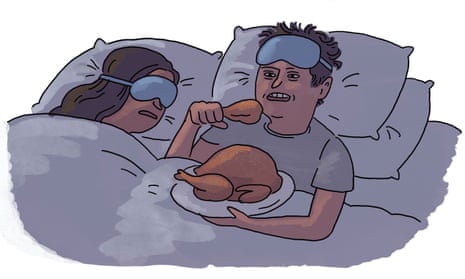
The notion that eating late at night leads to weight gain has been circulating for decades. However, Dr. Adrian Brown, a registered dietitian and senior research fellow at University College London, cautions that the evidence remains inconclusive.
While research indicates a correlation between late-night eating and higher weight, Dr. Brown emphasizes that these observations do not prove causality. He explains that the circadian rhythm, an internal clock aligned with the day's rhythms, influences body functions like feeding, fasting, and sleeping. Disruptions to this rhythm can impact weight.
Studies on night-shift workers, for example, have shown an increased risk of obesity. However, for many individuals, a potential link between late-night eating and weight may stem from the specific foods consumed, the manner of eating, and the underlying reasons.
Dr. Brown suggests that extended gaps between meals can lead to excessive hunger, resulting in unhealthy food choices. Additionally, habits like snacking while watching TV in the evening, beyond regular meals, can increase daily calorie intake. Research indicates that avoiding snacks after 9pm may benefit overall health.
Individuals concerned about the impact of mealtimes on nutrition are advised to consult a healthcare professional, such as a registered dietitian, to develop a personalized eating action plan tailored to their lifestyle.
