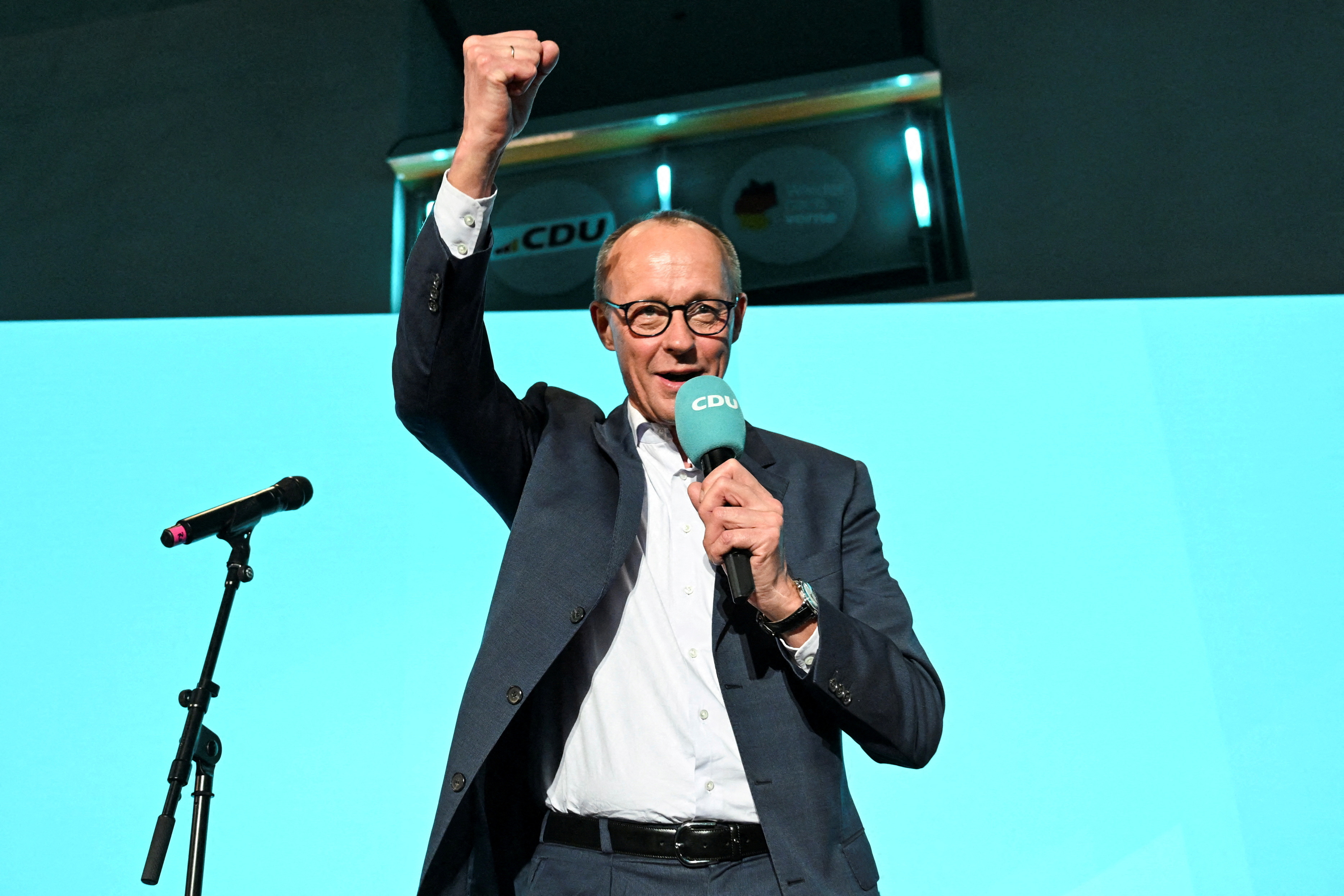
Friedrich Merz Raises Concerns About NATO's Future and Europe's Defense Capabilities
German Chancellor-elect Friedrich Merz has expressed concerns about the future of NATO and the need for Europe to establish an independent defense capability. Following recent comments from the Trump administration, Merz questions whether NATO will remain in its current form beyond June 2025.
Trump Administration's Impact on European Security
The Trump administration's actions, such as announcing talks with Russia to end the war in Ukraine without European involvement, have shocked European allies. U.S. Secretary of Defense Pete Hegseth has warned that "stark strategic realities" prevent the U.S. from prioritizing European security.
Merz Advocates for European Defense Capability
In light of these developments, Merz believes it is crucial for Europe to establish its own defense capabilities. He states, "We need to determine whether we will be discussing NATO in its current form in June or whether we will have to build an independent European defense capability much more swiftly."
Germany's Defense Posture
Merz acknowledges the possibility that the U.S. may not fully commit to NATO's mutual-defense pledge under President Trump. He suggests that Germany may need to reduce its reliance on the U.S. nuclear umbrella and advocates discussions with Europe's nuclear powers, France and Britain, to expand nuclear protection.
Support for Stronger Defense
Merz's views are shared by Robert Habeck, the acting Economy Minister and potential coalition partner from the Greens party. Habeck warns that the U.S. is not only leaving Europe alone but "working against" it.
